

Igboland and the 2026 Question: Commerce Without Strategy or Strategy With Commerce?…by Livy-Elcon Emereonye
Igboland is one of Africa’s most commercially active regions, yet its economic structure remains paradoxically fragile. The region’s historic strength in trade and enterprise might not have translated into desirable durable industrial power, export competitiveness, or systemic growth. This 2026—marked by AfCFTA consolidation, demographic pressure, technological shifts, and tightening global standards—Igboland faces a decisive choice: Continue celebrating commerce without strategy or deliberately engineer strategy with commerce. Drawing on agriculture, manufacturing, real estate, logistics, technology, healthcare, education, energy, and cultures. The era of improvisational hustle is ending so only structured, formalized, and export-oriented economic thinking will secure Igboland’s future. A Region Busy but Not Built, Igboland has never been accused of idleness. Its markets are among the most vibrant in Africa, its traders among the most mobile, and its entrepreneurial spirit among the most studied. Yet beneath this kinetic energy lies an uncomfortable truth: busyness is not the same as development. For decades, commerce has substituted for strategy. Trade has replaced production. Hustle has masked the absence of systems. The result is a regional economy that moves rapidly but advances slowly—rich in transactions, poor in institutions. In this year 2026, this contradiction is very dangerous. The global economy no longer rewards raw enterprise; it rewards structure, scale, compliance, and coordination. Igboland must therefore confront a hard question: will it continue to trade energetically within weak structures, or will it finally build the systems that turn commerce into power? Agriculture Without Industry: The High Cost of Staying Primitive Agriculture remains one of Igboland’s most cited strengths—and one of its most misunderstood failures. The region grows cassava, palm produce, rice, and livestock in abundance, yet captures little of the value chain. Starch, ethanol, refined palm derivatives, packaged rice, animal feed, and processed protein are still largely imported or externally branded. This is not a failure of land or labour. It is a failure of industrial intent. Rising food prices, import substitution pressures, and AfCFTA dynamics in 2026 will penalize regions that farm without processing. Primary production without agro-industrialization is no longer economic participation; it is economic surrender. Agro-clusters—shared processing facilities, cold chains, storage infrastructure, logistics hubs, and export-ready systems—are not development luxuries. They are survival mechanisms. To continue farming without industry is to accept permanent marginality.Manufacturing and the Myth of InformalityIgboland manufactures extensively, but informally—and therein lies the danger. Aba’s garments and footwear, Nnewi’s auto parts and machinery, and Onitsha’s light manufacturing ecosystem testify to deep technical competence. Yet much of this output remains uncertified, unstandardized, undercapitalized, and structurally invisible to global markets. This trend must stop. The game must change.Informality, once a source of flexibility, has become a ceiling.The global manufacturing economy does not reward ingenuity alone; it rewards quality assurance, regulatory compliance, scale, and repeatability. Without modernization—automation, CNC machining, OEM partnerships, quality control systems, and formal industrial clusters—Igboland’s manufacturing base will be outcompeted, not celebrated. This 2026, informal manufacturing will not merely stagnate; it will be displaced. To romanticize informality at this stage is not cultural loyalty—it is strategic negligence. This expensive mistake must be avoided. Real Estate: Accumulating Buildings or Creating Cities?Across Igboland, construction is accelerating, fueled by diaspora capital and urban migration. Yet much of this activity reflects asset accumulation rather than urban planning. Mansions rise without infrastructure. Estates emerge without energy security, water systems, or integrated transport. The opportunity of 2026 is not in more buildings, but in functional cities. Empty mansions should be converted into cottage industries. Mid-income housing, student accommodation, healthcare facilities, logistics parks, warehouses, and smart estates equipped with renewable energy and security technology represent sustainable real estate value. Awka, Abakaliki, Owerri, Umuahia, and the Onitsha corridor are poised for transformation—but only if development shifts from speculative to systemic. Cities are not collections of houses. They are ecosystems of productivity. Trade and Logistics: Commerce Without Backbone, Igboland’s commercial dominance is undeniable. Yet trade without logistics is performance without infrastructure. The region remains under-served by inland container depots, export aggregation platforms, standardized warehousing, documentation services, and modern last-mile delivery systems. AfCFTA will not reward the loudest traders, but the most efficient movers. Those who control logistics will control margins, timelines, and markets. Without deliberate investment in the unglamorous mechanics of trade, Igboland risks remaining Africa’s busiest marketplace—and someone else’s most profitable supply chain. Technology: Innovation That Ignores Markets Will Collapse Technology discourse in Nigeria often privileges elites over traders, aesthetics over utility, and conferences over commerce. Igboland cannot afford this mistake.The region’s real technological opportunity lies in tools that serve informal and semi-formal economic actors: fintech for traders and SMEs, inventory systems for markets, AI-enabled supply chain tools for small manufacturers, and e-commerce platforms centered on local production. The Igbo apprenticeship system (Igba-boi) remains one of Africa’s most effective informal business incubators. Digitizing, protecting, and scaling this system could redefine inclusive innovation. In 2026, technology that ignores markets will fail. Technology that understands commerce will dominate. Healthcare and Integrative Medicine: Between Credibility and Collapse Healthcare demand is expanding rapidly, and Igboland possesses a latent advantage in traditional medical knowledge. Yet this advantage is fragile. Without regulation, research, and standardization, traditional medicine risks irrelevance or rejection. The future lies in integrative medicine: NAFDAC-compliant herbal products, nutraceuticals, diagnostic centers, specialist clinics, wellness solutions, and medical tourism grounded in evidence and ethics. This year, health enterprises that resist compliance will not survive scrutiny. Legitimacy—not folklore—will define success. Education: The End of Certificate Worship Igboland’s reverence for education has produced generations of graduates—but not necessarily producers. The economy of 2026 will reward skills, not certificates; competence, not credentials.Vocational institutes, mechatronics training centres, manufacturing schools, healthcare and caregiving academies. An export-oriented entrepreneurship programmes represent the real educational frontier. Training people to pass examinations without training them to build, repair, innovate, or export is an intergenerational failure.Education must return to its economic purpose. Energy and Infrastructure: Markets in the Gaps of the State Power shortages, water insecurity, waste mismanagement, and transport inefficiencies persist—not because solutions are impossible, but because the state is overstretched. These gaps are not merely governance failures; they are private-sector opportunities. Solar mini-grids, energy storage, water treatment services, recycling, and waste-to-energy ventures will define the region’s infrastructure economy. In Igboland, infrastructure is no longer a public good alone; it is a commercial product. Culture and the Creative Economy: Identity as Capital Igbo culture—film, fashion, festivals, publishing, digital media, and heritage tourism—is globally resonant yet poorly monetized. Culture that is not structured cannot scale; culture that is not exported will erode. By packaging identity professionally, Igboland can convert heritage into currency and storytelling into strategy. A Choice That Can No Longer Be Deferred, Security challenges, youth unemployment, and weak state capacity are real—but they are filters, not excuses. They separate reactive hustling from deliberate building.
The winners of 2026 in Igboland will be those who:- Think in clusters rather than isolation- Build systems rather than survival tactics- Formalize what already works- Export products, culture, and competenceIgboland now stands before a familiar crossroads with unfamiliar stakes.
Commerce alone is no longer sufficient. Hustle without structure will exhaust itself. Pride without planning will fade.The region must decide whether it will remain Africa’s busiest marketplace or finally emerge as one of its most formidable production centres.The future is not hidden.It is demanding.And it will not wait.Thus, it is now essential for every Igbo person in the diaspora to establish a branch of their business in Igboland. The environment is not only peaceful and conducive, but it is business friendly with endless opportunities along with good ROI potentials.
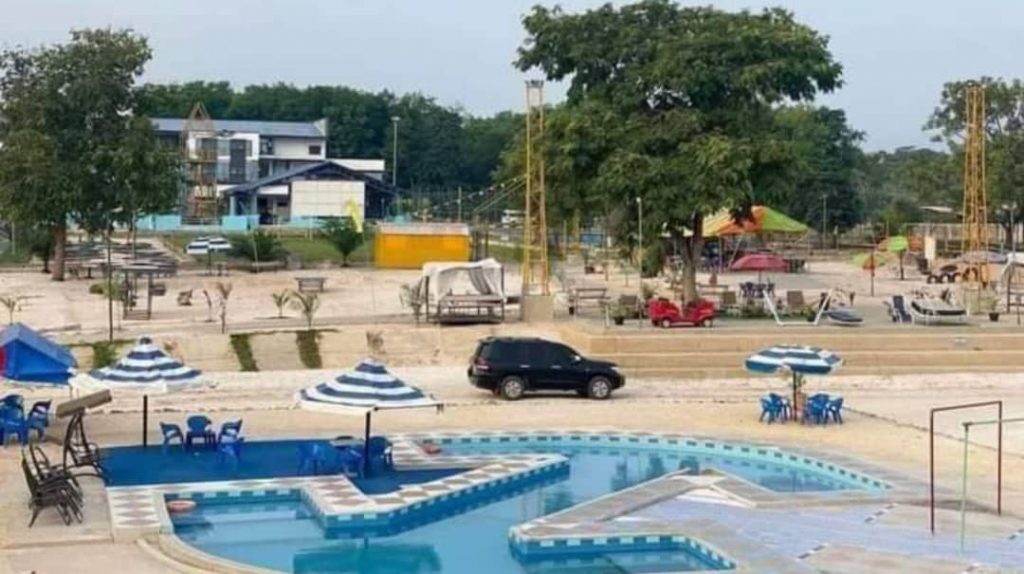
A typical New and planned City in Igboland
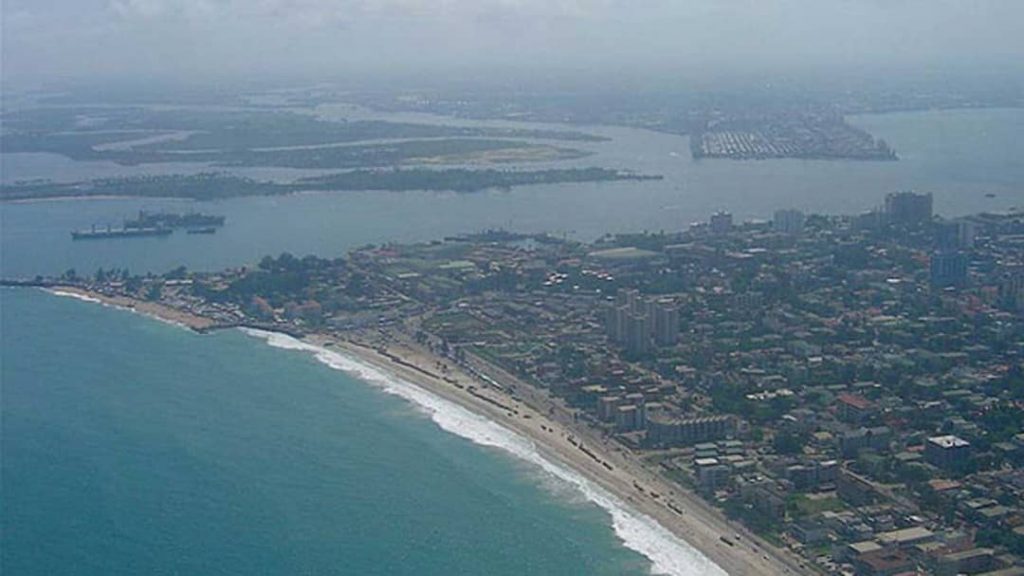
Real Water Ways & Ocean Transport Opportunities in Igboland
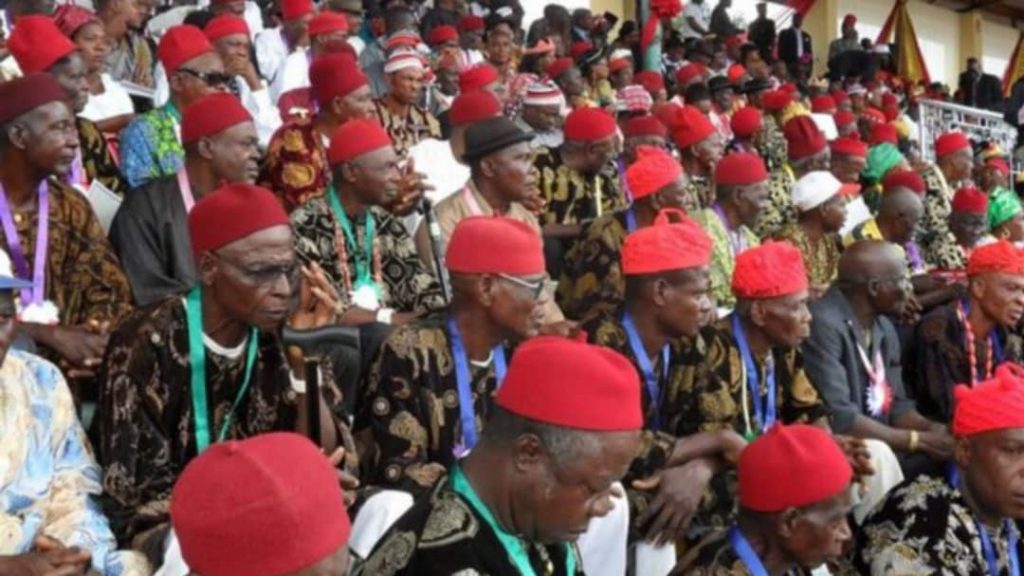
Igbo People The Cradle of Democracy in the World long before Greek Philosophers started.
Livy-Elcon Emereonye Writes from Lagos Nigeria.